The meteoric rise of generative AI (Gen-AI) has captivated boardrooms and dominated tech headlines, promising unprecedented efficiency, innovation, and competitive advantage. Organizations worldwide are pouring billions into this transformative technology, with private investment in generative AI reaching $33.9 billion in 2024 alone. Projections suggest the global generative AI market could soar to $644 billion in 2025 and potentially exceed $1 trillion by 2031-2034. This massive influx of capital, while indicative of immense potential, also raises a critical question: how much of this investment is truly generating value, and how much is at risk of being wasted?
This guide delves into the economic realities of Gen-AI adoption, exploring the formidable costs and common pitfalls that can derail even the most ambitious projects. More importantly, it outlines strategic approaches to ensure your organization navigates the Gen-AI landscape effectively, transforming investment into tangible, sustainable value.
The Generative AI Gold Rush: High Stakes, Higher Costs
The allure of Gen-AI is undeniable. From automating content creation to revolutionizing customer service and accelerating drug discovery, its applications seem limitless. This excitement has fueled a veritable gold rush, with companies scrambling to integrate AI capabilities into their operations. However, beneath the surface of innovation lies a complex and often underestimated cost structure.
Compute Power: The GPU Guzzle At the heart of Gen-AI lie large language models (LLMs) and other foundational models, which demand staggering computational resources. Training these models is an astronomically expensive endeavor. For instance, while earlier models like GPT-3 cost between $500,000 and $4.6 million to train, more recent models like OpenAI’s GPT-4 reportedly exceeded $100 million, and Google’s Gemini Ultra incurred an estimated $191 million in training compute costs.
Beyond initial training, the ongoing inference costs—the computational power required each time a model processes an input and generates an output—are substantial and continuous. Every query to an AI chatbot or every generated image consumes compute resources, energy, and ultimately, dollars. As Gen-AI scales across an enterprise, these inference costs can quickly become the majority of an AI deployment’s runtime expenses.
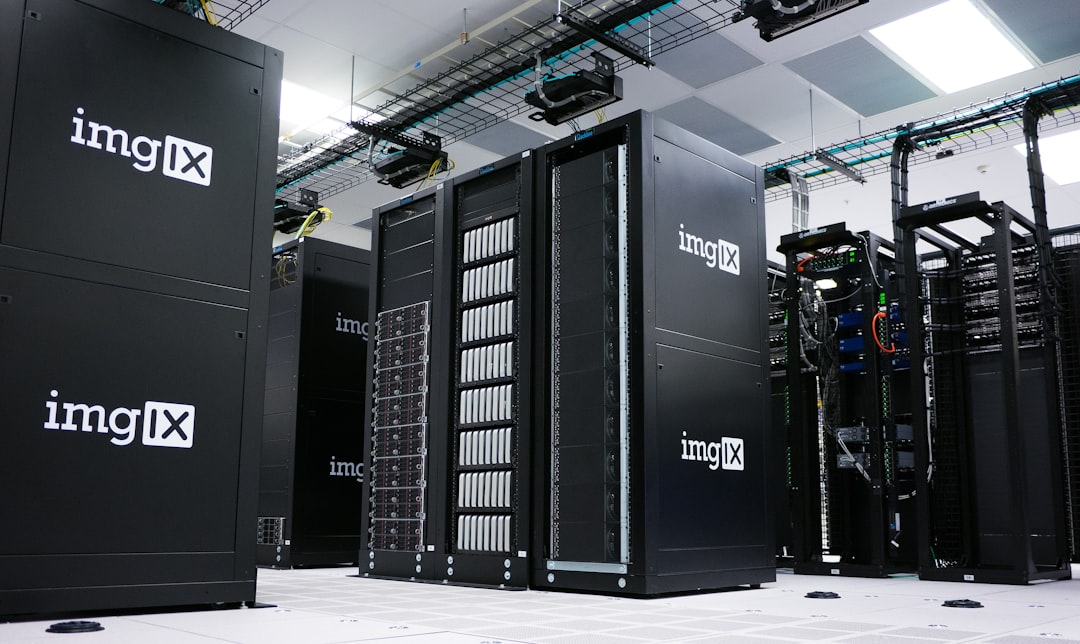
Data Infrastructure and Quality: The Unsung Hero Generative AI models are only as good as the data they are trained on. This necessitates significant investment in data acquisition, storage, processing, and, crucially, data quality. Poor data quality is frequently cited as a primary reason for AI project failures and a top concern for companies deploying Gen-AI applications. Challenges such as fragmented data across various systems, outdated information, inconsistencies, and a lack of proper context can lead to biased, inaccurate, or irrelevant outputs, eroding trust and value. Building and maintaining a robust data pipeline, ensuring data governance, and implementing continuous quality checks are non-negotiable but costly undertakings.
Talent Acquisition and Retention: The Human Equation The specialized skills required to develop, deploy, and manage Gen-AI solutions are in high demand and short supply. Data scientists, machine learning engineers, AI ethicists, and MLOps specialists command premium salaries, adding another significant layer of expense. Organizations often face a talent gap, making it challenging to scale AI initiatives effectively. Investing in upskilling existing teams and attracting top talent are critical but expensive components of any Gen-AI strategy.
The Hidden Icebergs: Common Pitfalls Derailing ROI
Despite the immense investment, a significant number of Gen-AI projects fail to deliver expected business value. Reports indicate that up to 85% of AI projects falter, with many companies reporting “no significant bottom-line impact” from their Gen-AI initiatives. Two-thirds of businesses find themselves stuck in pilot phases, struggling to transition into production. These failures are often attributable to several common pitfalls:
Lack of Clear Business Objectives
One of the most frequent mistakes is embracing Gen-AI without a well-defined problem to solve or a clear business objective. Adopting the technology “just because you can” often leads to overcomplicated solutions that could be achieved more efficiently with traditional methods, wasting time and resources. Without measurable goals, it becomes impossible to assess ROI or even understand if the AI is addressing real business needs.
The Data Quality Quagmire
As highlighted, data quality is paramount. Investing in advanced Gen-AI models without first ensuring clean, relevant, and unbiased training data is akin to building a skyscraper on a shaky foundation. Poor data leads to flawed insights, “hallucinations” (generated content that is factually incorrect), and unreliable outputs, directly undermining the effectiveness and trustworthiness of the AI system.

“Shiny Object Syndrome” and Over-Engineering
The rapid pace of Gen-AI innovation can tempt organizations to adopt the latest, most complex models or frameworks, even when simpler, more cost-effective solutions would suffice. This “shiny object syndrome” often leads to bloated, difficult-to-maintain systems that are expensive to run and yield diminishing returns. Over-engineering for capabilities not truly needed can quickly inflate costs without adding proportional value.
Neglecting Operational Costs (Inference)
While training costs grab headlines, the long-term operational costs, particularly for inference, are often underestimated. Organizations might invest heavily in training a model only to find that deploying it at scale for real-time applications becomes prohibitively expensive due to the continuous compute requirements. This oversight can cripple a project’s scalability and financial viability.
The Talent and Governance Gap
Without a skilled workforce to implement and manage Gen-AI, and robust governance frameworks to guide its responsible use, projects are prone to failure. The absence of clear ethical guidelines and accountability mechanisms can lead to biased outputs, privacy violations, and reputational damage, incurring further costs and legal risks.
Charting a Course to Value: Strategies for Sustainable Gen-AI Adoption
Avoiding the pitfalls and unlocking the true potential of Gen-AI requires a strategic, disciplined, and human-centric approach.
1. Start with Strategy, Not Just Technology
Before embarking on any Gen-AI initiative, meticulously define clear business objectives and identify specific use cases where AI can deliver measurable value. Begin with smaller, well-scoped pilot projects to prove value and iterate, rather than attempting a large-scale deployment from the outset. This approach minimizes risk and allows for learning and adaptation. A useful framework can be to assess current processes and identify areas where AI can have the most significant impact.
2. Prioritize Data Readiness and Governance
Data is the lifeblood of Gen-AI. Invest in comprehensive data management practices, including robust data cleaning, integration, and continuous quality monitoring. Establish strong data governance frameworks to ensure data accuracy, consistency, and compliance. Leveraging Retrieval-Augmented Generation (RAG) frameworks can help ground LLMs with reliable internal data, enhancing accuracy and trustworthiness.
3. Optimize for the Entire AI Lifecycle
Consider the total cost of ownership, encompassing both training and inference. Choose appropriate models—sometimes smaller, fine-tuned open-source models can be more cost-effective for specific tasks than massive general-purpose models. Optimize model architectures and deployment strategies to minimize inference costs, especially for high-volume applications. Tools like Kubernetes can help manage containerized workloads efficiently, optimizing compute resources.
4. Invest in People and Responsible AI Practices
Upskill and reskill your workforce to build internal AI expertise. Provide training programs that combine theoretical knowledge with practical application. Simultaneously, establish clear ethical guidelines and governance frameworks. This includes addressing potential biases in models, ensuring transparency, and protecting data privacy. Responsible AI practices are not just about compliance; they are about building trust and ensuring long-term value.

Related Articles
- Modern Datacenters: Reducing Carbon Footprint
- Spellcheck Speed: Algorithms & Techniques
- AI World Clocks: Intelligent Global Time Sync
- WhisperLeak: Unmasking LLM Conversation Topics
Conclusion
The promise of generative AI is immense, offering transformative potential across industries. However, the path to realizing this value is fraught with challenges, from soaring compute costs and data complexities to talent gaps and ethical considerations. The “trillion dollars (potentially) wasted” is not a foregone conclusion but a stark warning: without strategic foresight, diligent execution, and a commitment to responsible practices, organizations risk squandering their investments. By focusing on clear objectives, prioritizing data quality, optimizing for the full AI lifecycle, and investing in both technology and people, businesses can navigate the Gen-AI landscape successfully, turning potential waste into unparalleled innovation and sustainable growth.