The concept of the public domain is a cornerstone of global creativity, innovation, and cultural heritage. It represents a vast reservoir of intellectual property — literature, music, films, and art — that is no longer protected by copyright and can be freely used, adapted, and distributed by anyone. As January 1, 2026, approaches, a fresh wave of works will enter this digital commons, offering unprecedented opportunities for creators, developers, educators, and enthusiasts alike. This article delves into what the public domain signifies, highlights the specific works set to become freely available in 2026, and explores the profound implications for the technology sector, from AI development to open-source initiatives.
Understanding Copyright and the Public Domain
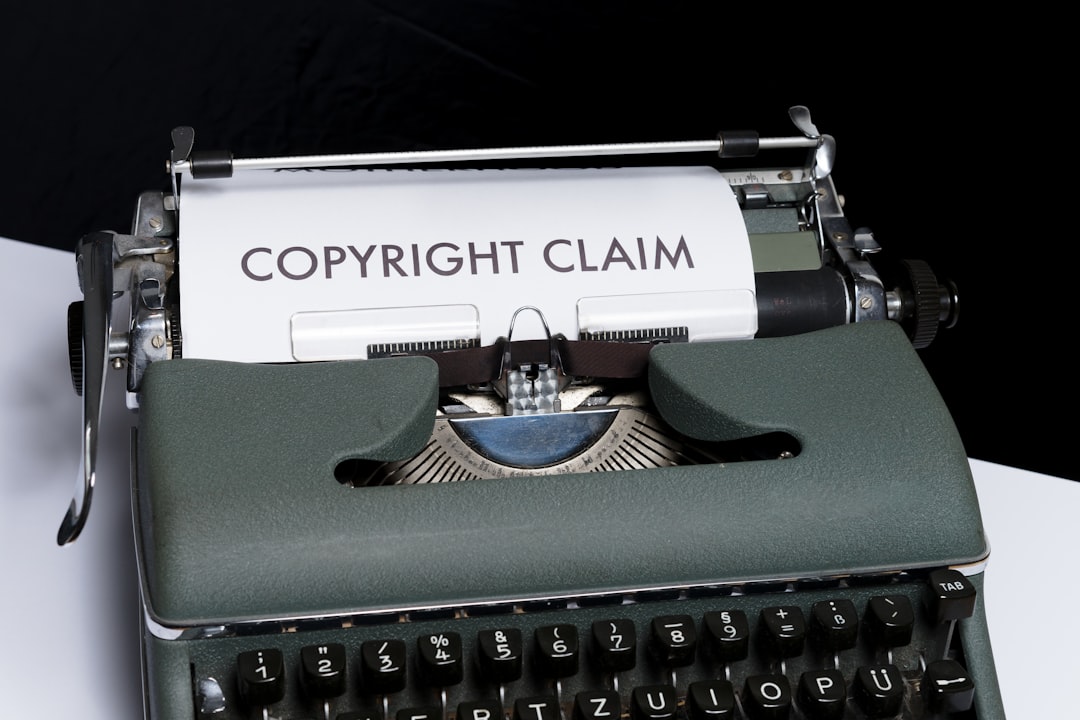
At its core, copyright law grants creators exclusive rights to their original works for a limited time, incentivizing artistic and intellectual production. Once this period expires, the work “enters the public domain,” becoming part of a shared cultural heritage free for all to use without permission or royalty payments.
In the United States, determining copyright duration can be complex, influenced by the date of creation and publication. For works created on or after January 1, 1978, copyright generally lasts for the life of the author plus 70 years. However, for anonymous works, pseudonymous works, or works made for hire, the term is either 95 years from the year of first publication or 120 years from the year of its creation, whichever expires first.
A significant factor in the current public domain calculation is the Sonny Bono Copyright Term Extension Act (CTEA) of 1998. This act extended copyright terms by 20 years, meaning that works published between 1923 and 1977 are protected for 95 years from their publication date. Consequently, works published in 1930 will see their U.S. copyright expire on January 1, 2026, marking their entry into the public domain.
A Treasure Trove Unlocked: Notable Works Entering the Public Domain in 2026
The impending Public Domain Day in 2026 promises a rich harvest of cultural artifacts from 1930. This includes a diverse array of literary masterpieces, iconic film productions, groundbreaking musical compositions, and memorable characters. These works will become freely available for anyone to adapt, remix, or build upon, opening new avenues for creative expression.
Here’s a glimpse of the significant works expected to enter the public domain in the U.S. on January 1, 2026:
Literature
1930 was a prolific year for literature, and several seminal works will soon be accessible for unrestricted use:
- The Maltese Falcon by Dashiell Hammett: This hard-boiled detective novel introduced the iconic Sam Spade, shaping the genre for decades to come.
- As I Lay Dying by William Faulkner: A cornerstone of Southern Gothic literature, known for its stream-of-consciousness narrative.
- A Farewell to Arms by Ernest Hemingway: A classic novel of love and war, set during World War I.
- A Room of One’s Own by Virginia Woolf: A foundational essay on feminism and women’s rights in society and literature.
- Cup of Gold by John Steinbeck: Steinbeck’s first novel, a historical adventure.
- Murder at the Vicarage by Agatha Christie: The debut novel featuring the beloved detective Miss Marple.
- Early Nancy Drew Mysteries: The first four original editions of the Nancy Drew books, including The Secret of the Old Clock, will enter the public domain. These works, published under the pseudonym Carolyn Keene, established a lasting legacy in children’s mystery fiction.
- The Little Engine That Could by Watty Piper: A timeless children’s story promoting perseverance.
- Dick and Jane: These characters made their first appearance in the Elson Basic Readers, which will also enter the public domain.
Film and Animation
The world of cinema from 1930 offers a fascinating look into early talkies and the burgeoning animation industry:
- Animal Crackers: Starring the Marx Brothers, this comedy classic showcased their distinctive brand of humor.
- All Quiet on the Western Front: The critically acclaimed adaptation of Erich Maria Remarque’s novel, which won Best Picture at the Academy Awards.
- Morocco: A melodrama featuring Marlene Dietrich, pushing the boundaries of pre-Hays Code Hollywood.
- Dizzy Dishes: This cartoon marks the first appearance of the iconic Betty Boop.
- Early Mickey Mouse Animations: Following Steamboat Willie in 2024, additional 1929 Mickey Mouse animations, where he dons his iconic white gloves and speaks for the first time, will become available.
- Pluto’s Debut: Mickey Mouse’s loyal companion, Pluto, first appeared in 1930 as “Rover” in the cartoon The Picnic.
Music
While musical compositions from 1930 will enter the public domain, it’s crucial to note that sound recordings have a different copyright trajectory. Under the Music Modernization Act of 2018, sound recordings from 1925 will enter the public domain in 2026.
Notable musical compositions from 1930 include:
- “It Happened in Monterey”
- “But Not for Me”
- “Livin’ in the Sunlight, Lovin’ in the Moonlight”
- “Dream A Little Dream of Me”
- “Someone to Watch Over Me” by George & Ira Gershwin
Comics
The comic strip world also sees significant entries:
- Blondie by Chic Young: The enduring comic strip featuring Blondie Bumstead and her family.
- More Popeye Stories: Additional adventures of Popeye the Sailor, including those featuring the Sea Hag, will become public.
- Mickey Mouse in Comics: Mickey Mouse also made his first appearance in comics in 1930.
The Digital Commons: Public Domain in the Age of AI and Open Source
The influx of works into the public domain in 2026 holds immense significance for the technology landscape, particularly for artificial intelligence (AI) and open-source communities.
Fueling AI Training and Innovation
Public domain works represent a vast, unrestricted dataset that can be invaluable for training AI models. For machine learning algorithms, access to diverse and extensive corpora of text, images, and audio is crucial for developing sophisticated capabilities in natural language processing, computer vision, and generative art.
For example, the complete texts of novels by Faulkner or Hemingway, now free of copyright, can be fed into large language models to analyze literary styles, generate new narratives, or even create interactive experiences that build upon these classics. Similarly, public domain films and animations can train AI for content analysis, style transfer, or the creation of new animated shorts.